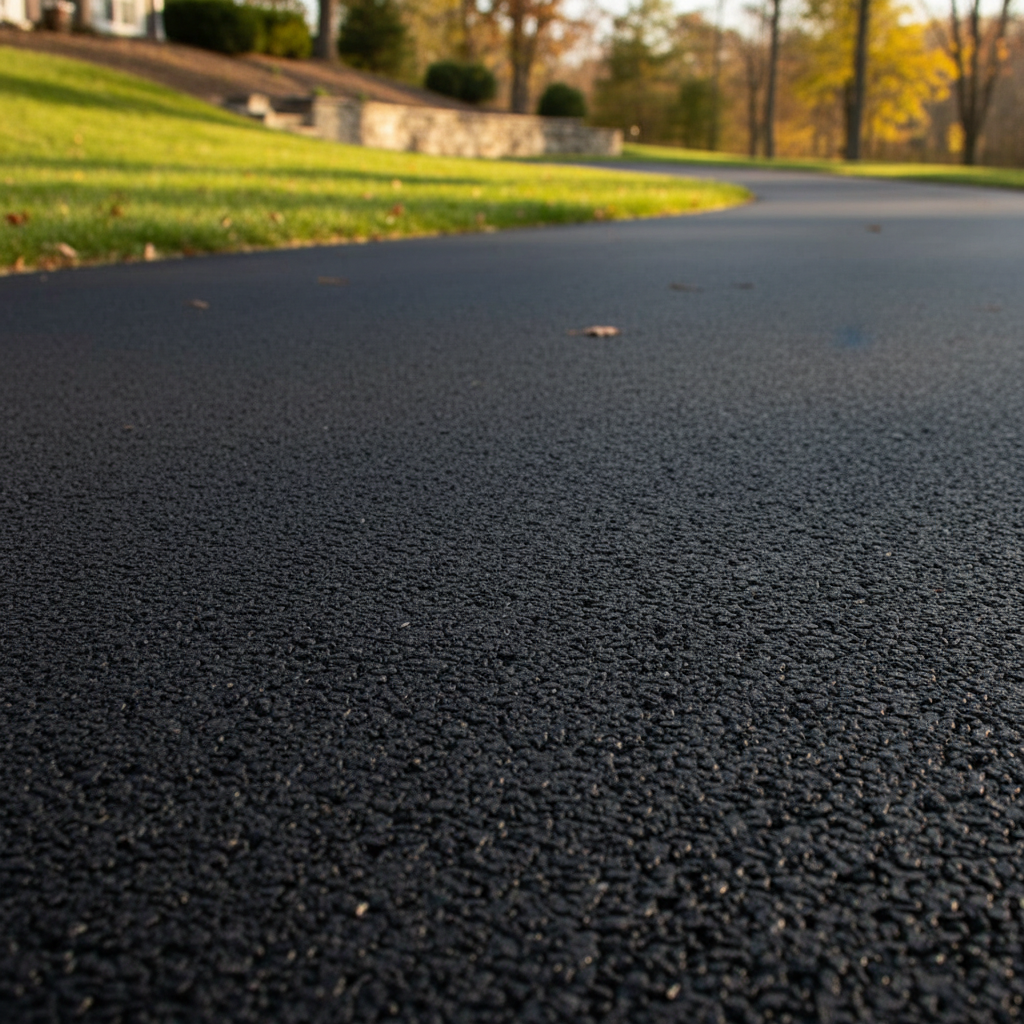
Alright, let's talk about commercial asphalt for your home. Now, you might be thinking, 'Commercial? I just need a driveway!' But sometimes, a residential-grade asphalt just doesn't cut it, especially if you've got heavier vehicles, a big RV, or just want something that's going to last a lifetime. I've seen plenty of residential driveways in places like Linglestown or Colonial Park that just get hammered by traffic and weather, and a commercial spec would've saved the homeowner a lot of grief down the road.
Before You Start: Planning and Prep
First things first, you gotta figure out what you're actually paving. Is it a long driveway? A parking pad? An area for a workshop or shed? The use case dictates the spec. A commercial asphalt job means a thicker base and a denser asphalt mix, designed for heavier loads and more frequent use. It's not just about throwing down more black stuff; it's about the foundation underneath.
You'll want to think about drainage. Harrisburg gets its fair share of rain and snow, and water is the enemy of any pavement. If your property slopes, you need to plan for where that water's going to go. You don't want it pooling on your new asphalt or, worse, running into your garage or basement. A good contractor will factor this in, but it's something you should be aware of from the jump. You might need catch basins, French drains, or just a good slope away from structures.
Can you DIY any of this? For a commercial spec, honestly, not much. You can clear the area, sure. Remove old gravel or vegetation. But the real work – the excavation, the grading, laying and compacting the aggregate base – that's heavy equipment stuff. You're talking excavators, rollers, and skilled operators. Trying to do this yourself with a shovel and a rented plate compactor for a large area is a recipe for disaster and a lot of wasted time and money. You'll end up with an uneven base, and that means your asphalt won't last.
Get multiple quotes. Don't just go with the first guy. Ask about their process. How thick will the base be? What kind of stone are they using? How many inches of asphalt? A commercial job usually means 6-12 inches of compacted aggregate base and 2-4 inches of asphalt, sometimes in two layers (binder and surface). Don't be afraid to ask for references or to see other jobs they've done, especially if they're local. At Valley Asphalt Inc., we're always happy to walk you through our process.
During the Project: What to Expect
Once you've picked a contractor, the work begins. Expect some noise and dust. There will be trucks coming and going, heavy machinery operating. It's a construction site, plain and simple. Make sure you and your contractor are clear on access points, where materials will be stored, and how long the project is expected to take.
The most critical part you won't see is the base prep. This is where the magic happens. They'll excavate the area, lay down the aggregate (crushed stone), and compact it thoroughly. This base needs to be incredibly stable and well-drained. If the base isn't right, the asphalt won't hold up, no matter how good the top layer is. You can walk on the base once it's laid, but don't drive on it until the asphalt is down.
When the asphalt goes down, it's hot. Really hot. Like 300 degrees Fahrenheit. It's laid by a paving machine and then compacted by heavy rollers. This is definitely not a DIY job. The smell of hot asphalt will be noticeable for a day or two. Keep pets and kids away from the work area. The crew will be moving fast to get it laid and compacted before it cools.
After the Project: Curing and Care
Once the asphalt is down, you've got to let it cure. This is super important. Most contractors will tell you to stay off it for at least 24-48 hours, sometimes longer for heavier vehicles. I usually recommend waiting a full week before parking anything heavy on it, especially in the summer when the heat keeps it softer for longer. The asphalt needs to harden and consolidate.
For the first few months, be careful with sharp turns of your steering wheel while stationary. This can scuff or mark the new surface. Also, avoid parking heavy vehicles or anything with kickstands (like motorcycles) in the same spot all the time, especially during hot weather. The weight can create depressions.
Maintenance for commercial asphalt at home is pretty straightforward. Keep it clean. Sweep off dirt, leaves, and debris. Any oil or gas spills should be cleaned up quickly, as petroleum products can break down the asphalt binder. If you see any cracks forming, especially in the first year or two, get them sealed. Cracks let water in, and water under your asphalt, especially with Harrisburg's freeze-thaw cycles, will cause bigger problems like potholes and alligator cracking. Sealing cracks is probably the only thing a handy homeowner might tackle themselves, but for larger areas or significant damage, call us.
Consider sealcoating every 2-5 years, depending on traffic and sun exposure. Sealcoating protects the asphalt from UV rays, water, and chemicals, extending its life significantly. It's like sunscreen for your driveway. It's not a fix for structural problems, but it's great preventative maintenance. Most homeowners don't have the equipment for a proper sealcoat job, so that's another one for the pros.
A commercial-grade asphalt surface is a big investment, but it's one that pays off in durability and longevity. Do your homework, pick a good contractor, and take care of it, and you'll have a surface that lasts for decades.