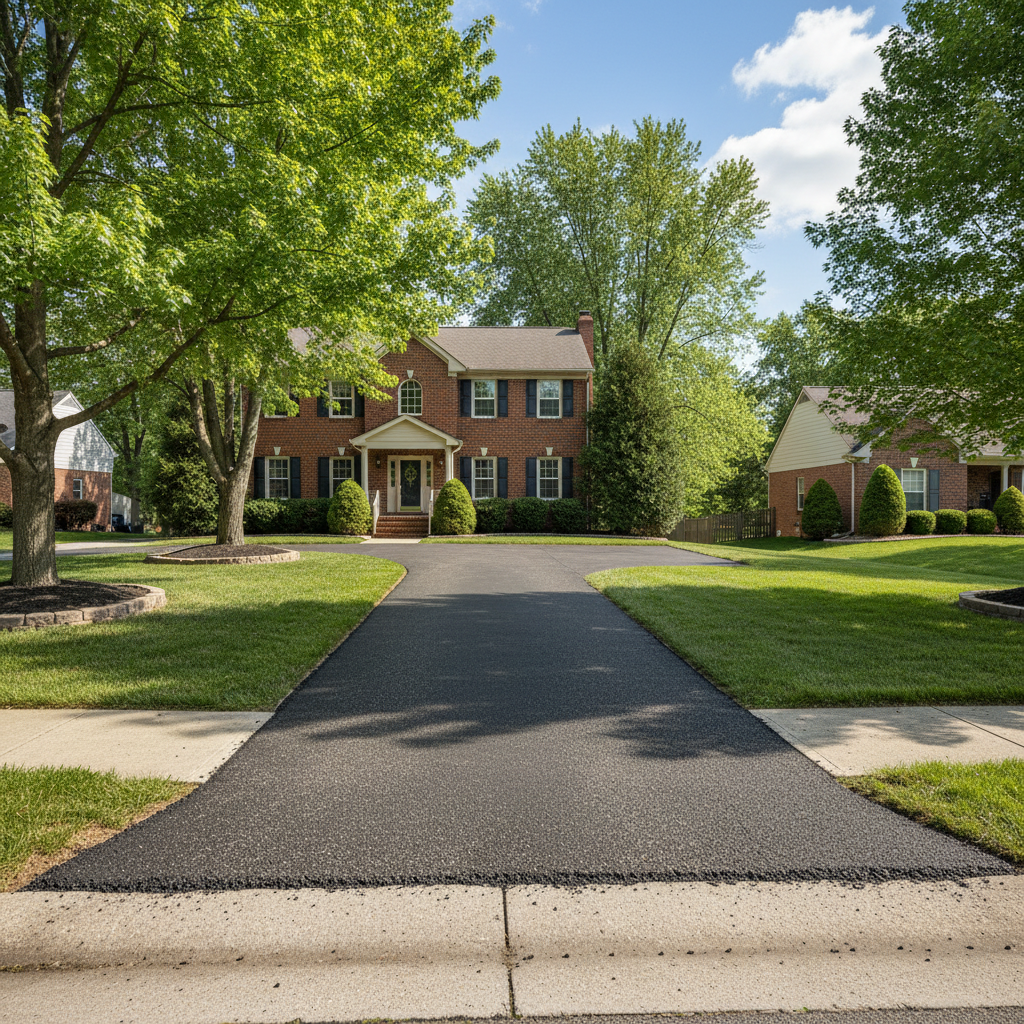
So, you're thinking about an asphalt milling project for your driveway or parking area. Maybe your old asphalt is all cracked up, heaving, or just plain worn out. But the base underneath? Still seems solid. Milling can be a really smart way to get a fresh surface without the full, expensive tear-out and replacement. It's a great option, truly, when it's done right. But I've seen plenty of folks here in Harrisburg make some real head-scratchers when it comes to planning and hiring for this kind of work. Let's talk about what you absolutely need to avoid.
Mistake #1: Not Really Understanding What Milling Is
This might sound super basic, but it's actually crucial. Milling isn't just grinding up your old driveway and calling it a day, you know? It's a precise process where a specialized machine shaves off the top layer of existing asphalt to a specific depth. The whole point is to create a uniform surface that's perfectly ready for a new layer of asphalt. If a contractor talks about 'just patching' after milling, or doesn't seem to grasp the need for a consistent depth, well, that's a big red flag. You're not just getting rid of the old stuff; you're carefully preparing for the new.
Mistake #2: Skipping the Sub-Base Inspection
This is probably the biggest mistake I see, especially in older Harrisburg neighborhoods like those around Allison Hill or Shipoke, where the ground can be a real mix of fill and clay. You're milling because you *think* your sub-base (that's the gravel and dirt underneath the asphalt) is sound. But is it really? If the old pavement is failing because of a weak, unstable, or poorly drained sub-base, then milling and repaving over it is just like putting a Band-Aid on a broken bone. You'll have the same problems, sometimes even worse ones, in a year or two. A good contractor will always want to assess the sub-base condition. They might even recommend test digs if there are significant soft spots or drainage issues. Seriously, don't let anyone convince you to ignore what's happening underneath.
Mistake #3: Going with the Lowest Bid Without Asking Questions
Look, everyone wants to save a buck. I totally get it. But with asphalt work, especially milling, the cheapest bid often means corners are being cut. What are they cutting? Usually, it's the quality of the new asphalt mix, the depth of the milling, the compaction, or the preparation work. Ask specific questions: What depth will you mill to? What kind of asphalt mix will you be using for the new layer? How many passes will you make with the compactor? What's your plan for grading and drainage? If they can't give clear, confident answers, or their answers are vague, walk away. A reputable company like Valley Asphalt Inc. will be totally transparent about their process and materials.
Mistake #4: Not Considering Drainage
Harrisburg gets its fair share of rain and snow, doesn't it? Proper drainage is absolutely critical for how long any asphalt surface will last. When you mill, you're changing the surface elevation. If the contractor doesn't carefully plan for how water will flow off the new surface, you're going to end up with puddles, ice spots, and eventually, premature pavement failure. Make sure they talk about grading, slopes, and how they'll ensure water moves away from your home or building. You definitely don't want standing water after every downpour.
Mistake #5: Ignoring the Edges and Transitions
Milling creates a clean edge where the old asphalt meets the new. But what about where your driveway meets the street, your garage floor, or a sidewalk? These transition points are vital. If they're not handled correctly, you'll have trip hazards, uneven surfaces, and weak spots that will crack and crumble quickly. A good milling project includes careful planning for these transitions, often involving handwork or smaller equipment to ensure a smooth, safe, and durable connection to existing surfaces. Don't assume they'll just 'figure it out.' Ask how they'll manage these critical areas.
Mistake #6: Not Checking References or Insurance
This isn't just for milling, it's for any contractor you hire. But with big equipment and heavy materials involved, it's even more important. Always ask for references and actually call them. Ask if they were happy with the work, if it held up, and if the contractor was responsive. And for crying out loud, make sure they're properly insured! If someone gets hurt on your property or damages something, you don't want to be on the hook because your contractor wasn't covered. Any legitimate business will be happy to provide proof of insurance and references, no problem.
Milling can be a fantastic solution for rejuvenating your asphalt. Just make sure you're asking the right questions, understanding the process, and hiring a contractor who really knows their stuff. Doing your homework upfront will save you a lot of headaches and money down the road, believe me.